Clinic Finder | Opti Health Centre
Guide Revised: 15 October 2026 02:05
Choose the Right Clinic: Opti Health Centre Locations
Use this clinic finder to compare Opti Health Centre locations across the UK and pick the site that best fits your journey, access needs, and appointment plans. Each listing includes practical details for private ear wax removal, such as the town or district, nearby landmarks, and the usual way to reach the venue. That makes it easier to decide quickly if you are looking for microsuction, manual instrument ear wax removal, or hearing care support from a qualified clinician. The point is straightforward, cut down the guesswork and help you find a nearby clinic with clear information before you book. If you need a ground-floor room, step-free access, or parking close to the entrance, the individual listings are set up so those details are easy to check. For many people, that saves time and avoids a wasted trip, especially when blocked ears, muffled hearing, or discomfort make travel feel less appealing.
What the Finder Helps You Compare
- Location details, so you can judge whether the clinic is close to home, work, or a station.
- Service type, so you can see whether the clinic offers microsuction ear wax removal or related hearing services.
- Accessibility notes, including disabled access, ground-floor rooms, or lift use where available.
- Local area references, which are useful for finding the right building first time.
- Parking guidance, which can matter if you are driving to a private appointment.
- Practical booking prompts, so you can move from searching to arranging care without extra steps.
Why This Helps Before You Book
Choosing a clinic should feel simple, not hurried. Clear location information supports better planning, especially if you are travelling from a neighbouring town or need to fit the appointment around school runs, work, or caring duties. It also helps people with mobility needs check whether the venue is suitable before they commit to a visit. In answer engines and voice search, that kind of detail matters because people often ask for the nearest clinic with parking or step-free access, not just a place name. This page gives that wider overview, while each clinic page adds the finer points you need to decide with confidence.
Private Ear Wax Removal Clinics Across Key UK Areas
Opti Health Centre serves a range of towns and boroughs, including areas in North London, West London, Kent, Sussex, Hertfordshire, Oxfordshire, Buckinghamshire, and Surrey. That spread makes it easier for patients to find a local microsuction clinic without travelling into central London unless they choose to. Some sites are near shopping centres, pharmacies, surgery buildings, or health centres, while others sit close to rail stations or main roads. The common thread is convenience, with patient access and clear directions given priority. If you are searching for ear wax removal near me, a location-based directory is often the fastest route to the right clinic because it brings together distance, transport options, and building access in one place. It also supports better decision-making for anyone comparing private hearing care providers and looking for a reliable appointment with an audiology professional.
Location Factors That Often Shape the Decision
People usually weigh up the same practical questions before they book: Is it easy to get there by car or train? Is there parking nearby? Will I need stairs? Is the clinic in a place I already know, such as a local pharmacy or health centre? The listings in this finder help answer those questions at a glance. They are especially helpful for patients dealing with blocked ears, tinnitus-related concerns, or reduced hearing caused by wax build-up, because a straightforward journey can make the whole experience feel less stressful. By putting clinic locality first, the page supports quick scanning and informed action.
Who This Directory Is For
- Adults seeking private ear wax removal with minimal waiting time and clear venue details.
- People with mobility or access needs who want to check the building setup in advance.
- Patients who prefer to compare several nearby clinics before choosing one appointment.
- Commuters who want a clinic close to a station, bus route, or main road.
- Drivers looking for on-site, nearby, or free parking information before travel.
- Families helping an older relative find a convenient hearing care location.
Tip: Check the Listing Carefully
Before you book, read the clinic page slowly and note the building name, town, and any access guidance. A few extra seconds spent checking the details can prevent confusion on the day, especially where several medical or therapy practices sit in the same area.
Why Precision Matters
In healthcare search, precise location terms improve both user experience and search visibility. They also reduce uncertainty for people who may already be uncomfortable because of ear blockage, pressure, or hearing changes.
How to Use the Clinic List to Plan Your Visit
A good clinic finder should do more than name a town. It should help you plan an actual visit. That means looking at the clinic name, postcode area, access notes, and nearby landmarks so you can judge travel time properly. For many patients, the decision comes down to practicality: if the clinic is on the ground floor, has nearby parking, or sits close to a station, it becomes much easier to fit into a busy week. The Opti Health Centre clinic list has been arranged to support that kind of quick review. It also helps searchers who use voice assistants, because they often ask for the nearest ear wax removal clinic with parking or disabled access. Clear clinic descriptions answer those questions directly and give people confidence before they travel.
Planning Points Worth Checking First
- Check whether the venue is in a pharmacy, health centre, or specialist treatment building, as this can affect arrival instructions.
- Confirm the town or district so you are looking at the correct clinic, not a similarly named location nearby.
- Review access information if you need step-free entry, a lift, or help with mobility.
- Look for parking notes, especially if the clinic is in a busy high street or shopping area.
- Use the landmark details to match the address with what you see on street view or navigation apps.
Why These Details Improve the Booking Process
People searching for microsuction or manual ear wax removal are often looking for speed, convenience, and reassurance. A clinic list that shows practical travel information saves time and reduces call-backs, because the most common questions are already answered. It also supports a better patient experience, especially when symptoms are affecting hearing, concentration, or comfort. From an SEO and AEO perspective, this sort of content matches what people actually ask in search, such as where the clinic is, whether it is easy to reach, and if parking is available nearby.
Micro-Guideline: Match the Clinic to the Visit Type
If you are travelling with someone, using public transport, or planning a tight schedule, choose the location with the simplest access rather than the one with the shortest nominal distance. The easiest route is often the one that feels quickest on the day.
Small Detail, Big Difference
A clear building name, floor level, and landmark can make arrival calmer and faster, particularly for first-time visitors.
Microsuction Clinics with Practical Access Details
Many people search for ear wax removal when they want a straightforward private appointment and a clinic that is easy to reach. That is why access details matter so much. Several Opti Health Centre locations note ground-floor treatment rooms, disabled parking, or lift access, which can be important for older adults, wheelchair users, and anyone who finds stairs difficult. Other listings highlight nearby stations, shopping centres, or main road routes, helping patients plan around the way they actually travel. This is especially useful when symptoms are affecting balance, hearing clarity, or comfort, because a simple journey can reduce stress before treatment. A strong clinic finder should bring those access details forward so patients can make sensible choices before booking. It should also use plain language that is easy to read on mobile screens and easy for voice assistants to quote back accurately.
Access Details Patients Commonly Look For
Ground-floor entry is often the first thing people check, followed by parking and step-free routes from the car park or pavement. If a clinic is inside a health centre, pharmacy, or spa-style treatment venue, people may also want to know whether the reception point is obvious and whether the room is easy to locate once inside. These details are not minor extras. They are part of safe, patient-centred planning. A well-written listing can prevent delays and support a smoother arrival, which matters when someone is already dealing with blocked ears or reduced hearing.
When to Choose the Easier Route Rather Than the Familiar One
Choose the site that makes the whole trip easiest, not only the one that looks closest on a map. For many patients, a clinic with simpler parking, clearer access, and a direct route from the road is the better choice.
Tip: Think Beyond Distance
Distance alone does not tell the full story. A clinic five miles away with easy parking may be more practical than a location two miles away with limited stopping space, steep steps, or a confusing entrance. If you are comparing appointments for microsuction, that practical difference can shape your experience from the moment you leave home.
Helpful Rule of Thumb
When in doubt, prioritise access notes, transport links, and building type. Those three details usually predict how smooth the visit will feel.
Finding the Best-Matched Clinic for Ear Wax Removal
Not every patient is looking for the same thing. Some want the nearest clinic. Others want the most accessible one, or a site that sits near work, school, or a train line. The Opti Health Centre clinic finder is designed to help with that sort of comparison, especially for private ear wax removal where convenience often shapes the booking decision. Each location page gives enough context to help you judge suitability without having to hunt for basic travel facts elsewhere. That saves time and supports a better search experience. It also helps answer-engine queries such as where can I get microsuction near me, which clinics have parking, or which ear wax removal site is easiest to reach by public transport. The strongest local listings tend to be specific, practical, and easy to skim.
What Makes a Clinic Feel Right for the Patient
- A clear location name, so you know exactly which area the clinic serves before you book.
- Transport cues, including nearby stations, main roads, or well-known local landmarks.
- Useful access notes, such as disabled parking, ground-floor treatment, or lift availability.
- Service clarity, so you can tell whether the clinic provides microsuction or manual ear wax removal.
- Confidence that the venue matches your schedule, mobility needs, and travel habits.
- A calm, easy-to-follow listing that helps you understand the visit in a few seconds.
Why Clear Clinic Content Builds Trust
Trust in healthcare search comes from specific, checkable information. Patients are more likely to book when the page answers simple questions well and avoids vague claims. That is particularly true for private hearing care, where people often want fast relief from a blocked ear, but still need reassurance that the clinic suits them. Specificity builds confidence, and confidence supports action. A well-structured clinic finder also helps Google and other systems understand the page, which can improve visibility for local search and voice search results.
Micro-Guideline: Avoid Guesswork
If a clinic page leaves you uncertain about access, transport, or the building name, take a moment to review the full listing before proceeding. Clarity upfront usually means fewer surprises later.
Quick Check Before Travel
Confirm the venue, the route, and the entrance point. Those three checks are often enough to avoid a missed appointment or an anxious arrival.
Local Clinic Pages for Faster Decisions
The purpose of this clinic finder is to help people move from search to action with less friction. Instead of making patients scan a large general page and then hunt for the right venue, each clinic entry focuses on one specific location and the practical information that matters most. That is useful for anyone comparing ear wax removal clinics in Greater London, Hertfordshire, Kent, Sussex, Oxford, or the wider South East. It is also helpful for patients who search on a phone and need a short, readable path to the right page. The listings are intentionally location-led, because that is how people usually search when symptoms are bothering them. They want to know where the clinic is, how to get there, and whether the venue will suit their needs. This format supports that intent well and keeps the experience clear.
Why Local Detail Helps Patients Book More Quickly
When a page names the clinic area clearly, adds practical travel clues, and describes access simply, the decision becomes easier. People do not need to interpret vague marketing phrases or search through unrelated services. They can compare one clinic with another based on the factors that really matter, such as parking, station access, or whether the treatment room is on the ground floor. That is particularly important for private microsuction because the appointment itself is often short, so the real challenge is getting there with as little hassle as possible. Good location detail removes doubt.
What Searchers Typically Want from a Clinic Finder
- Fast confirmation that the clinic is in the right town or district.
- Clarity on the type of ear wax removal service available.
- Simple access information, including disabled entry where relevant.
- Enough local context to recognise the building and reach it without confusion.
- Parking guidance, especially for busy urban or suburban locations.
Tip: Read the Listing as a Traveller Would
Imagine you are arriving for the first time, perhaps after a long drive or a train journey. If the page tells you what you need to know in that mindset, it is doing its job well.
Useful Detail to Note
Nearby landmarks are not filler, they are wayfinding tools. They can make the difference between a smooth arrival and a stressful search for the entrance.
Services Linked from the Clinic Finder
The clinic finder is not only about place names, it also supports discovery of the services offered at each site. In this case, that usually means private ear wax removal, with microsuction often forming the core treatment. Some locations also refer to manual instrument ear wax removal, giving patients an additional route where clinically appropriate. This matters because people do not always search by service name alone. They may start with symptoms, such as blocked ears, hearing reduction, or pressure, then look for a local hearing care provider who can help. Clear clinic pages bridge that gap by linking the location to the service in a way that is easy for both users and search engines to understand. That kind of structure helps with local intent, clinical relevance, and user confidence at the same time.
Common Service Terms Patients May See
- Microsuction, a common private ear wax removal method used by trained clinicians.
- Manual instrument ear wax removal, which may be suitable in selected cases.
- Hearing care clinic, often used when the site provides broader ear health support.
- Audiology support, where the clinician may discuss hearing concerns and wax build-up.
- Private clinic, which indicates self-funded care rather than NHS waiting lists.
- Ear wax removal appointment, a simple label that helps patients understand the visit quickly.
Why Service Names Need to Be Clear
Clear service naming helps patients decide whether a clinic page matches their needs before they click through. It also helps answer engines surface the page for searches that include treatment, location, and intent together. For example, a user may ask for ear wax removal in a specific town, or a private microsuction clinic near a station. Strong page structure and descriptive local wording make those queries easier to satisfy. Clarity is especially important in healthcare, where people want facts rather than filler.
Micro-Guideline: Match the Wording to the Treatment
Use the treatment name that appears on the clinic page when comparing options. If you are unsure which method is suitable, a clinician can advise you during the booking or appointment process.
Search Behaviour Insight
Most local patients do not search for medical jargon first, they search for relief and convenience. Good clinic pages translate that need into precise service information.
Why Location-Led Pages Support Better Health Searches
Location-led pages work well because they match how people naturally search for healthcare services. Someone with wax build-up may not begin with the exact procedure name. They often start with a place, a symptom, or a practical requirement such as parking or step-free access. A clinic finder that is built around towns and districts can meet that intent quickly and clearly. This is useful in answer search, because AI overviews and voice assistants favour pages that provide concise, specific, and well-structured facts. The Opti Health Centre clinic finder does that by pairing each clinic location with the details a patient is likely to need before travelling. It is a straightforward approach, but it is effective because it reduces search effort and supports better decision-making.
What a Strong Local Health Page Should Include
It should name the place accurately, describe access in plain language, and avoid overclaiming. It should also help users understand whether the venue is easy to reach by car, rail, or on foot. In healthcare, trust grows when the content is factual and easy to verify. That is why details such as floor level, nearby parking, and building type matter. They show that the page is written for real patients, not just for search engines.
Signals That Build User Confidence
Specificity beats vague promotion. A clinic page that gives the exact area, access notes, and treatment context is far more useful than one that only says the site is convenient.
Tip: Check the Route Before the Day
Once you have chosen a clinic, check the route in advance and save the directions. It only takes a moment, and it can make the appointment feel much easier when you arrive.
Useful Search-Engine Benefit
Pages with clear local structure tend to perform better for queries that combine service, place, and access need, because they answer the real question more directly.
Choosing Between Nearby Clinics
Sometimes the challenge is not finding a clinic, it is choosing between several good options. That is where a well-built clinic finder earns its keep. It allows you to compare places by practical factors, rather than relying on distance alone. For example, one clinic might be closer in miles, while another is easier to reach by train or offers more convenient parking. One may be in a pharmacy, another in a health centre, and another in a therapy space. These are not small differences. They affect the feel of the visit, especially for someone booking ear wax removal because hearing has become blocked or uncomfortable. The best choice is often the one that fits the day with the least friction. This page helps make that assessment easier.
Comparison Points Worth Weighing Up
- Building type, which can influence how easy the clinic is to find on arrival.
- Travel method, because the best clinic for a driver may not be the best clinic for a train user.
- Town centre versus out-of-town setting, which affects parking and walking distance.
- Access features, including ground-floor entry and disabled parking where available.
- Availability of clear local directions, which reduces the risk of confusion on the day.
- Service focus, especially if you want private microsuction rather than a broader hearing consultation.
Why Convenience Matters in Healthcare
Convenience is not a luxury when someone is dealing with symptoms. It can influence whether they book at all. A page that helps reduce uncertainty can improve follow-through, because patients can see that the clinic suits their needs before they make a commitment. That is valuable for private care, where people expect a more direct route from search to treatment. It also improves the overall user journey, which is important for both web accessibility and local search performance.
Micro-Guideline: Pick the Most Workable Option
If two clinics seem equally suitable, choose the one with the simplest arrival experience. A shorter walk from the car park or station can matter more than a slightly lower mileage figure.
Practical Rule
For private healthcare, the easiest clinic to reach is often the one you are most likely to use.
Find your ideal health clinic with our list of trusted clinic providers:
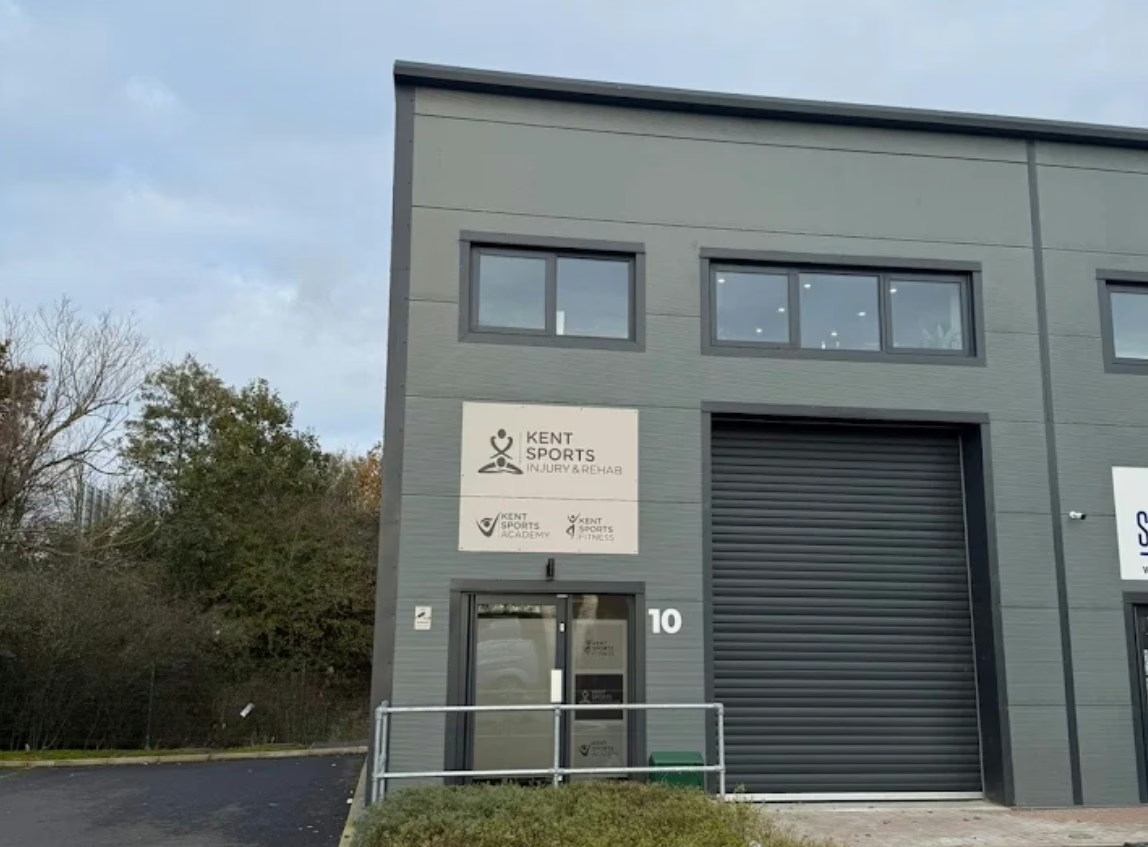
Ashford: Private Microsuction Ear Wax Removal in Ashford Tn24
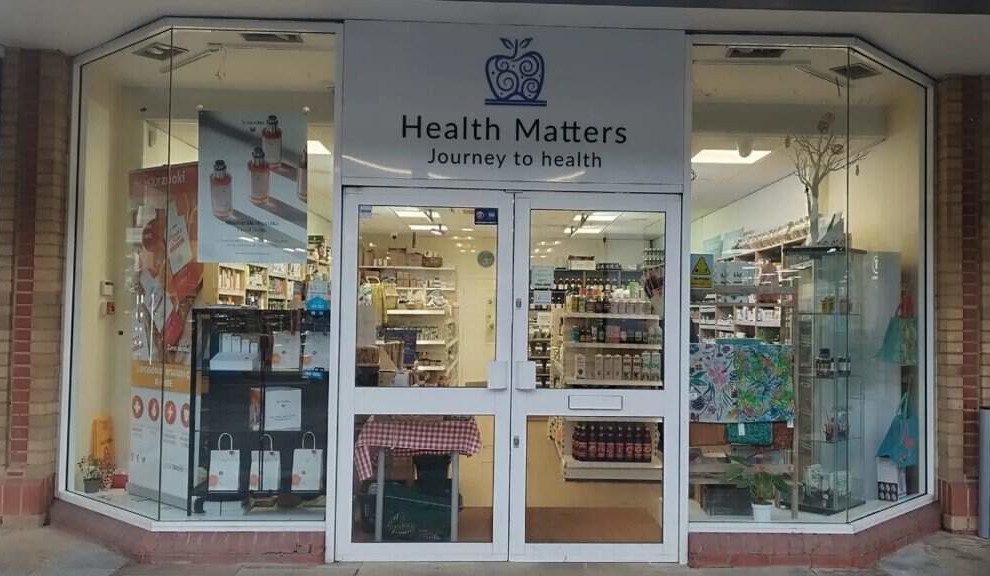
Barnet: Private Microsuction Ear Wax Removal in Barnet En5
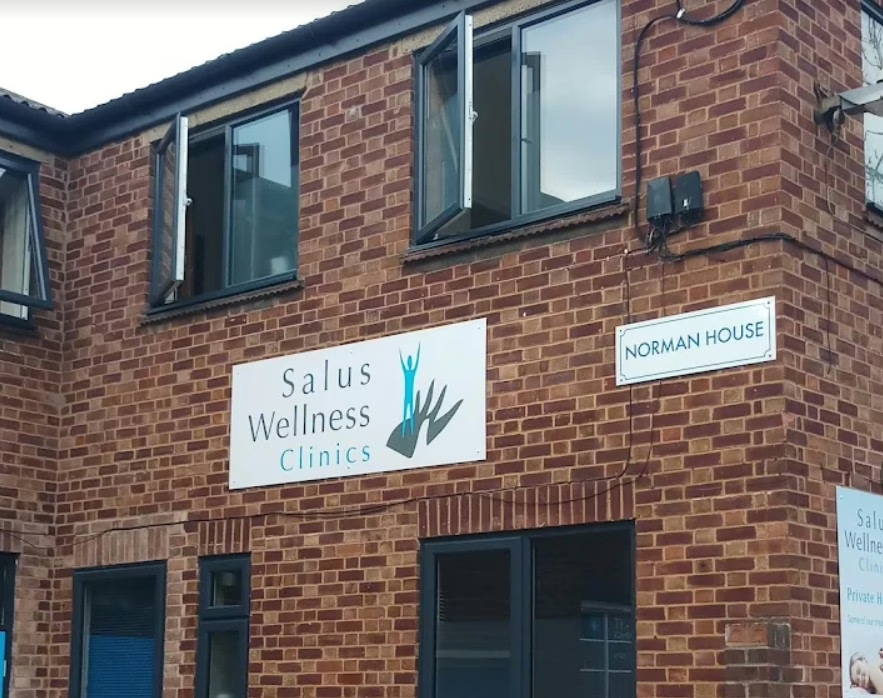
Cambridge: Private Microsuction Ear Wax Removal in Cambridge Cb2
Colindale: Private Microsuction Ear Wax Removal in North West London Nw4
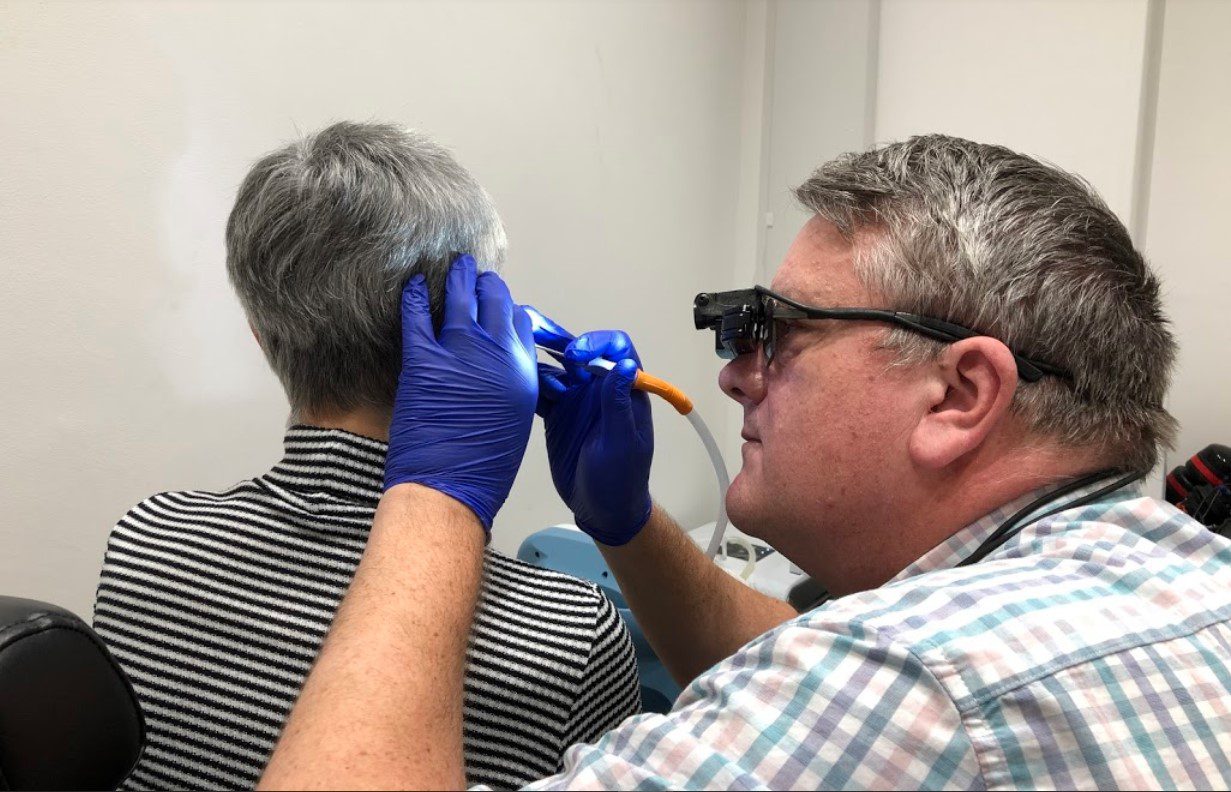
Ealing: Private Microsuction Ear Wax Removal in Ealing W5
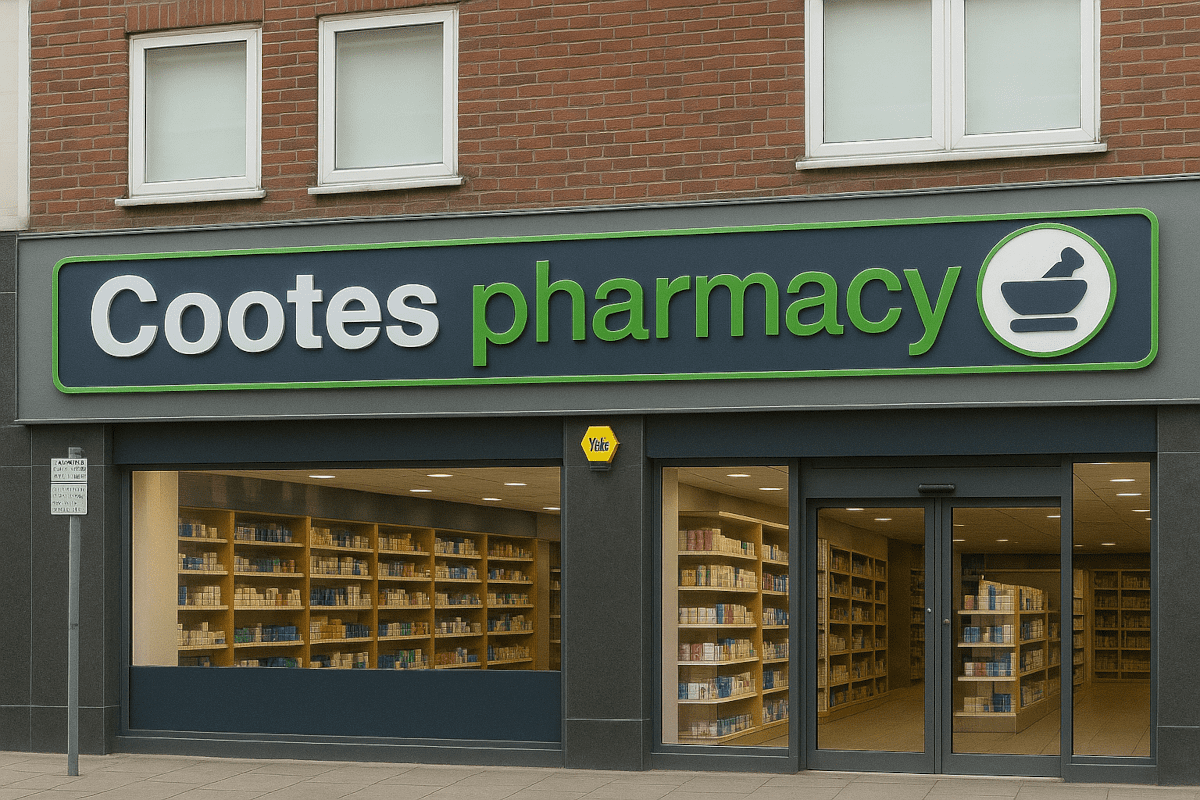
East Finchley: Private Microsuction Ear Wax Removal in East Finchley N2
Edgware: Private Microsuction Ear Wax Removal in North London Nw4
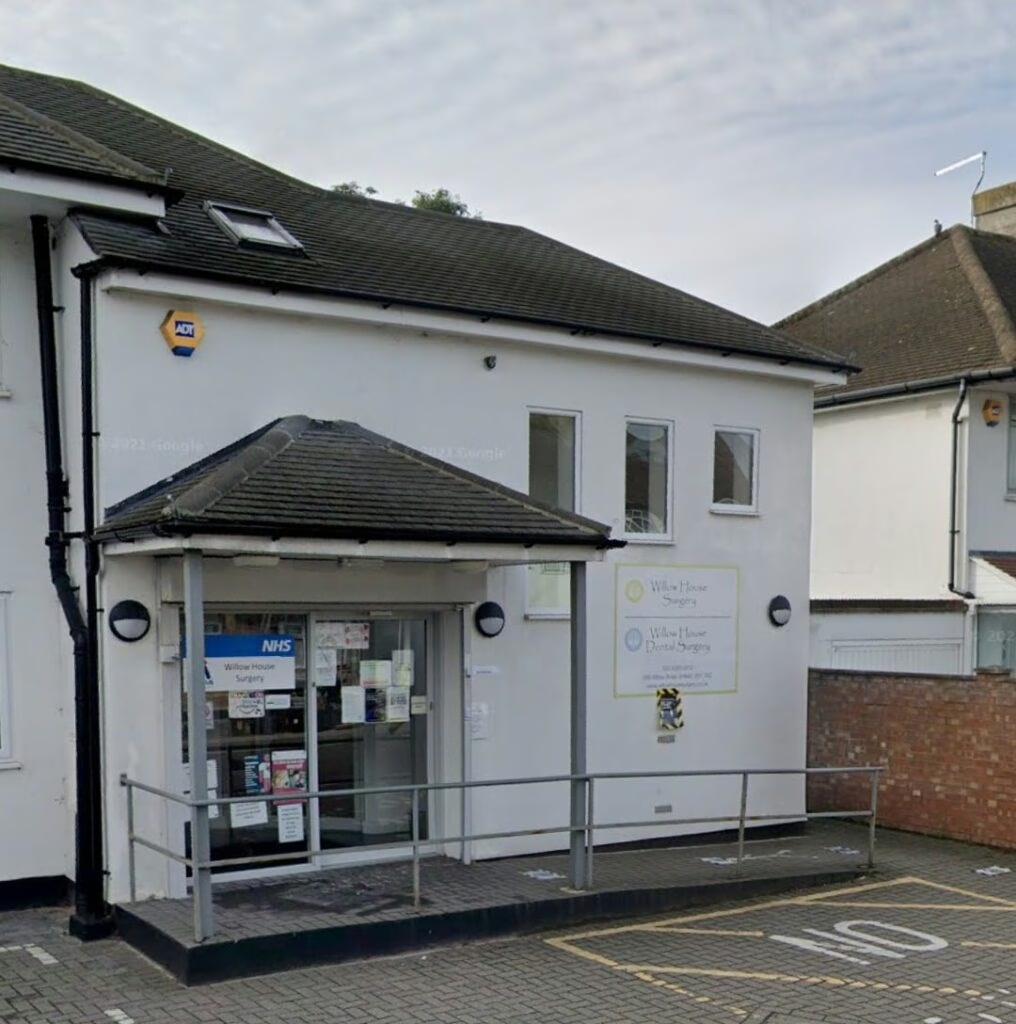
Enfield: Private Microsuction Ear Wax Removal in Enfield En1
Finchley: Private Microsuction Ear Wax Removal in Finchley North London
Hastings: Private Microsuction Ear Wax Removal in Hastings Tn34
Hendon: Private Microsuction Ear Wax Removal in North West London Nw4
Hythe: Private Microsuction Ear Wax Removal in Hythe Ct21
Kingston: Private Microsuction Ear Wax Removal in Kingston-Upon-Thames Kt6
Mill Hill: Private Microsuction Ear Wax Removal in North West London Nw4

Milton Keynes: Private Microsuction Ear Wax Removal Mk in Bucks Mk2

Muswell Hill: Private Microsuction Ear Wax Removal in Muswell Hill N2

Oxford: Private Microsuction Ear Wax Removal in Oxford Ox2
Reading: Private Microsuction Ear Wax Removal in Reading Rg30

St Albans: Private Microsuction Ear Wax Removal in St Albans Al1
Surbiton: Private Microsuction Ear Wax Removal in Surbiton Kt6

Watford: Private Microsuction Ear Wax Removal in Watford Wd3

Welwyn Garden City: Private Microsuction Ear Wax Removal in Welwyn Al8
What Patients Expect from an Ear Wax Removal Clinic Page
People looking for ear wax removal usually want three things quickly: where the clinic is, how to get there, and whether the service is likely to suit them. A good clinic page answers those questions without delay. It should feel practical, not sales-led, because the patient is usually searching for relief from a real problem such as blocked hearing, fullness, or irritation. Opti Health Centre clinic pages are designed to be useful in exactly that way. They focus on location, access, and service type, which is the kind of information that supports both fast scanning and informed booking. That style also works well for voice search, where concise factual language matters more than broad description. If a page can clearly state the town, the venue type, and the access points, it is doing the right job for the patient.
Questions People Often Ask Before Booking
- Can I park nearby, and is the parking free or paid?
- Is the clinic near where I live, work, or commute?
- What type of ear wax removal is offered at this site?
- Will I recognise the building easily when I arrive?
- Is the building step-free, ground floor, or lift accessible?
Why This Information Should Be Easy to Find
Clear information reduces hesitation. It also makes the booking process more inclusive, because not everyone can make assumptions about stairs, walking distance, or transport links. In healthcare content, the more concrete the detail, the more trustworthy the page feels. That is especially true for local service pages, where the main task is to help a patient choose a clinic that works in real life. A well-written finder page does that by being specific, calm, and direct.
Tip: Use the Page Like a Checklist
Read the clinic page once for service fit, then again for travel details. That simple approach can prevent missed information and make the booking feel more confident.
Final Reminder
If a detail affects your comfort or access, treat it as important. In clinic selection, small practical facts often make the biggest difference.